
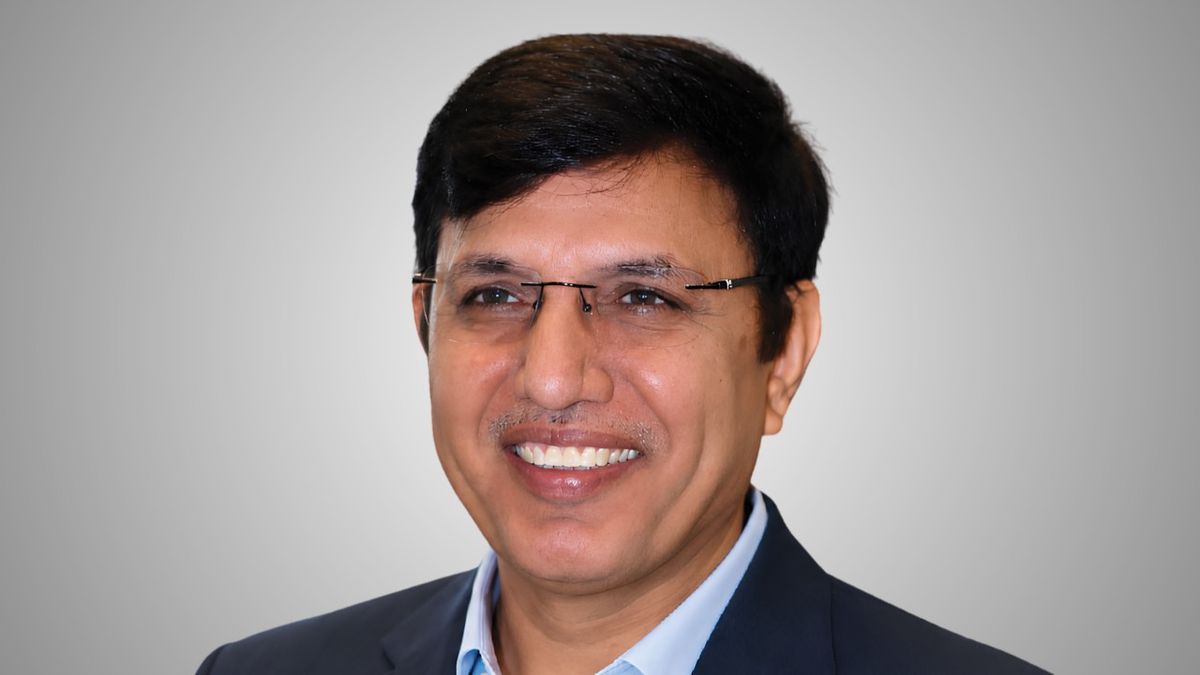
The renewable energy sector in India is transitioning from a phase focused on increasing capacity to one that emphasizes effective grid integration and management. Rajesh Kulhari, Joint Secretary at the Ministry of New and Renewable Energy, underscores the critical role of robust transmission infrastructure, energy storage solutions, artificial intelligence (AI)-driven forecasting, smart grids, and domestic manufacturing in optimizing the utilization of renewable energy sources.
Key government initiatives include the establishment of green energy corridors (GECs), advancements in rooftop solar technology, solar-powered irrigation pumps, and the National Green Hydrogen Mission. Kulhari stresses that achieving India’s clean energy objectives will require substantial investments and technological innovations. He highlights the significance of the Bharat Renewable Energy Summit & Expo 2026, which will serve as a platform for collaboration among policymakers, investors, and industry stakeholders to accelerate the country’s renewable energy transition.
As India strives to meet its 2030 renewable energy generation targets, a primary challenge lies in creating a framework to consume this power efficiently, minimizing losses and waste. This is particularly crucial given the inherent variability of solar and wind energy generation throughout the day. The geographic concentration of these resources also presents challenges, necessitating a focus on reducing intermittency and ensuring a stable power supply to fully leverage the target renewable generation capacity of 500 GW by 2030.
India’s renewable energy transition has marked significant milestones. In August 2026, the capacity for electricity generation from non-fossil fuel sources surpassed 300 GW, demonstrating the effectiveness of current policies. Renewable energy now comprises over 50% of the country’s total power generation capacity, with a fourfold increase in installed renewable capacity since 2013-14. The upcoming challenges will revolve around management rather than mere capacity addition; thus, enhanced investment in transmission lines and energy storage is essential. The focus must also shift towards efficient forecasting, scheduling, and management of the green energy grid.
Technological integration will be crucial for this transition, necessitating advanced solutions such as AI-based predictive analytics, smart grid technologies, and alternative energy storage methods to accommodate significant fluctuations in energy supply. Securing domestic supply chains for critical minerals via manufacturing initiatives and production-linked incentives will be vital to fortify India’s green energy trajectory against external vulnerabilities.
The GEC programme, which involves three phases, aims to bolster the country’s renewable energy infrastructure. The third phase, approved in September 2026 with an investment of ₹1.86 trillion, will primarily focus on creating transmission lines to connect extensive solar and wind farms to the national grid, facilitating the transfer of 135 GW of renewable energy to consumers. Additionally, it will establish 50 GWh of battery storage capacity, which will help stabilize supply by storing excess energy during high production periods and discharging it during peak demand times. The central government is set to fund one-third of the transmission investments to keep transportation charges and renewable energy costs manageable.
Phases I and II of the GEC are expected to be completed by March 2027 and 2028, respectively. The new transmission lines from Phase III will aim to diversify renewable energy capacity that has, so far, been predominantly concentrated in five states, which represented 75% of total solar power capacity as of August 2026, with Rajasthan alone contributing 26%. Rajasthan’s favorable land rights position makes it a crucial player in this transition, signifying a shift from merely accumulating gigawatt capacity to enhancing energy efficiency and grid resilience.
This trend is also observable in the wind energy sector, where the top five states account for nearly 84% of the installed capacity, with Gujarat leading at 28.5%. Multiple states have expressed interest in developing transmission lines to expand the reach of renewable energy initiatives; GEC-I is operational in eight states, while GEC-II is active in seven.
A significant aspect of the renewable energy transition is engaging citizens in the movement. One notable initiative encourages households to adopt rooftop solar systems with subsidies, allowing them to sell surplus energy back to the grid. To date, approximately 5 million rooftop installations benefit around 6 million households, with an ongoing application window for the subsidy until the end of March next year.
Additionally, farmers are encouraged to switch from diesel or electric water pumps to solar-powered alternatives. Approximately 2,200 MW of grid-connected solar pumps have been installed, achieving 20% of the target, alongside 1.2 million off-grid solar pumps. Recently introduced projects aim to deploy floating solar panels on water bodies, with a planned generation capacity of 5,000 MW supported by 10,000 MWh of battery storage.
However, sectors that are difficult to decarbonize—such as fertilizers, oil refining, steel production, and shipping—require hydrogen derived from renewable energy through water electrolysis rather than fossil fuels. The National Green Hydrogen Mission seeks to establish India as a global hub for green hydrogen production, aiming for the production of 5 million tonnes of green hydrogen by 2030, supported by 125 GW of renewable energy capacity. This mission aims to pair utility-scale renewable generation with decentralized green hydrogen projects and electric vehicle charging infrastructure, fostering a sustainable energy ecosystem.
Investment, advanced technology, and actionable strategies are critical for reducing the carbon footprint of economic growth. According to a NITI Aayog study, achieving net-zero emissions by 2070 will necessitate a total investment of $22.7 trillion, with the power sector accounting for more than half of this requirement.
The Bharat Renewable Energy Summit & Expo 2026, scheduled for November 2026 in Delhi, will assemble national and international stakeholders to discuss renewable energy opportunities and challenges, including project execution, energy storage, domestic manufacturing, financing, and regulatory compliance. The summit will coincide with the 9th International Solar Alliance Assembly and the 4th International Conference on Green Hydrogen, highlighting India’s leadership in guiding the Global South toward sustainable energy futures. The theme of the summit—“Invest. Innovate. Inspire.”—captures the essence of this pivotal movement.