
Support CleanTechnica through a Substack subscription, Patreon, or Stripe. Your contributions enable us to produce high-quality, original content weekly despite challenges such as content scraping AI, social media issues, inflation, and more.
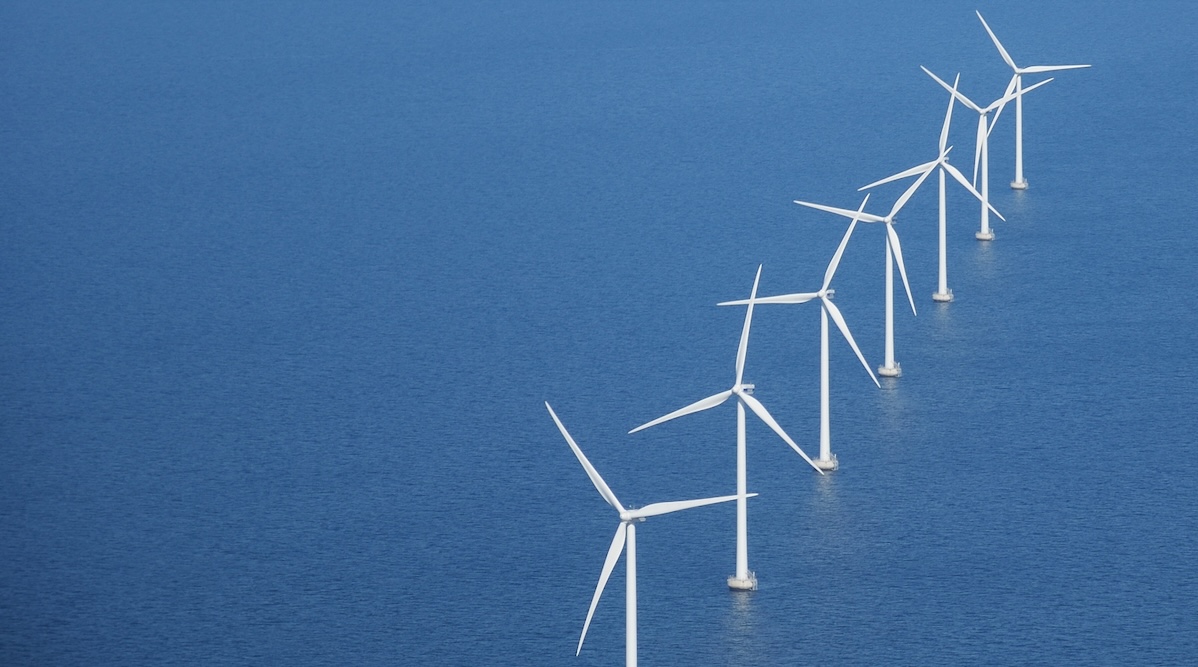
Former US President Donald Trump has demonstrated a notable opposition to wind energy developments in the United States, while other countries are capitalizing on wind power for economic benefit. A prime example is Denmark, which recently reported that wind energy generated 140% of its electricity demand, enabling excess capacity for export.
Denmark’s Wind Power Achievements
While Denmark’s 140% wind power achievement reflects its strong wind energy capabilities, it should be noted that this milestone occurred at 3:00 AM. During this time, electricity demand was low, contributing to the oversupply. However, the Danish Energy Agency is actively pursuing further expansion of wind resources, aiming to establish two new offshore “energy islands” in the North and Baltic Seas. These islands will serve as wind power hubs, linking to regional grids and facilitating activities such as green hydrogen production.
The Danish Energy Agency anticipates these facilities will contribute to transitioning away from fossil fuels in Denmark and beyond. The North Sea hub aims to support 3-4 gigawatts of offshore wind power, with potential expansions to 10 gigawatts, while the Baltic Sea hub will add an additional 3 gigawatts.
Potential for Offshore Wind in the US
The United States possesses significant offshore wind energy potential along both coasts. The relatively shallow waters off the Atlantic states, excluding Maine, create favorable conditions for traditional monopile wind turbine installations. Researchers in Maine are developing floating offshore wind platforms that can be anchored to the seabed, enabling wind energy generation in deeper waters.
Additionally, the Pacific coastline has seen initial deployments of floating turbine technology that originated in the US, and there are ongoing discussions to convert decommissioned offshore oil and gas rigs in the Gulf of Mexico for renewable energy use, despite suboptimal wind conditions.
In 2021, the US Department of Energy estimated the potential for offshore wind energy at over 35,000 megawatts, indicating substantial untapped resources, especially in light of the declared “energy emergency” by the current administration.
However, upon taking office, the President issued an order to halt new offshore wind lease approvals, a decision later upheld by a federal court. Compounding these challenges, there have been efforts to buy out existing leases, which hampered future development opportunities.
Underlying Motivations
Trump’s strong opposition to offshore wind energy can be attributed to various factors. His administration has expressed a preference for executive actions over legislative processes, particularly since offshore wind projects primarily fall under federal jurisdiction through the Bureau of Ocean Energy Management.
Moreover, these measures disproportionately impact states with Democratic leadership that advocate for renewable energy developments, aligning with Trump’s broader political strategy.
A personal grievance may also play a role; Trump had previously attempted to block an offshore wind project in Scotland that was visible from his golf course in Aberdeen, which has reportedly fueled his ongoing hostility toward wind initiatives.
Contradictory Views on Renewable Energy
Interestingly, Trump’s “American Energy Dominance” agenda does support various renewable energy sources, including geothermal, biomass, hydropower, and nuclear, while excluding wind and solar energy based on concerns regarding reliability and baseload power generation.
Furthermore, Interior Secretary Doug Burgum has raised issues about solar energy reliability, although developments in energy storage technology are becoming key solutions to address intermittency issues associated with solar and wind energy.
Marine Energy Opportunities
The Trump administration has also shown some support for marine energy, which harnesses kinetic energy from waves, tides, and currents. The US has considerable marine energy resources, with the Department of Energy indicating that harnessing just a fraction of this potential could significantly contribute to the nation’s energy needs.
While marine energy technologies require further development and remain years away from significant impact, wind power benefits from an established industry backdrop and infrastructure development.
Photo: Denmark achieved a record of 140% of the nation’s electricity demands via wind power during early morning hours (image courtesy of Danish Energy Agency).
Subscribe to CleanTechnica’s Weekly Substack for in-depth analyses and summaries, join our daily newsletter, and follow us on Google News!
Have a tip for CleanTechnica? Interested in advertising? Would you like to suggest a guest for our CleanTech Talk podcast? Contact us here.
Stay updated with our daily newsletter for 10-15 cleantech stories each day, or sign up for our weekly newsletter if daily updates are too frequent.
CleanTechnica may utilize affiliate links. For further information, review our policy here.
CleanTechnica’s Comment Policy