
The U.S. Department of Energy’s Hydropower and Hydrokinetic Office (H2O) offers several tools and resources for hydropower developers to ensure their testing needs are met. Currently, the Hydropower Testing Network (HyTN) is accepting applications for its second round of support, where developers will be provided with vouchers for, and matched with, appropriate testing facilities. Applications are due by July 23. The office is also holding a webinar on Thursday, July 30 that will summarize their efforts over the last six months to quantify and validate the hydropower testing needs of the industry in the United States.
Hydropower is one of America’s most reliable sources of energy, supplying 27% of U.S. renewable generation and 88% of all utility scale energy storage. It is also one of the country’s oldest sources of energy and many hydroelectric facilities are over 50 years old. These facilities need modern upgrades to increase their energy output and reliability. Even with younger facilities, innovative technologies can increase generation, ensuring an affordable, reliable, and secure electric grid for all Americans.
However, there are difficulties associated with testing and operationalizing cutting-edge hydropower technology solutions. Hydropower owner-operators are reluctant to take on the risk of being first adopters, no matter how much promise a technology shows. Seeing this need, H2O sought to form a better understanding of the specific testing needs of hydropower developers in the United States.
In October 2022, Oak Ridge National Laboratory (ORNL) gathered and presented feedback from hydropower stakeholders on the topic of hydropower testing infrastructure. The resulting report, Needs and Opportunities for Testing of Hydropower Technology Innovations, identified and validated four potential barriers that prevent access to testing technologies:
- Access to full-scale testing: Full-scale testing is necessary to validate small hydropower innovations.
- Validation of environmental mitigation technology: Effective environmental mitigation technologies must be introduced and validated to keep pace with environmental performance standards.
- Hydropower flexibility testing: Hydropower technologies must be tested for flexible operations over extended durations to ensure hydropower’s value in the evolving grid.
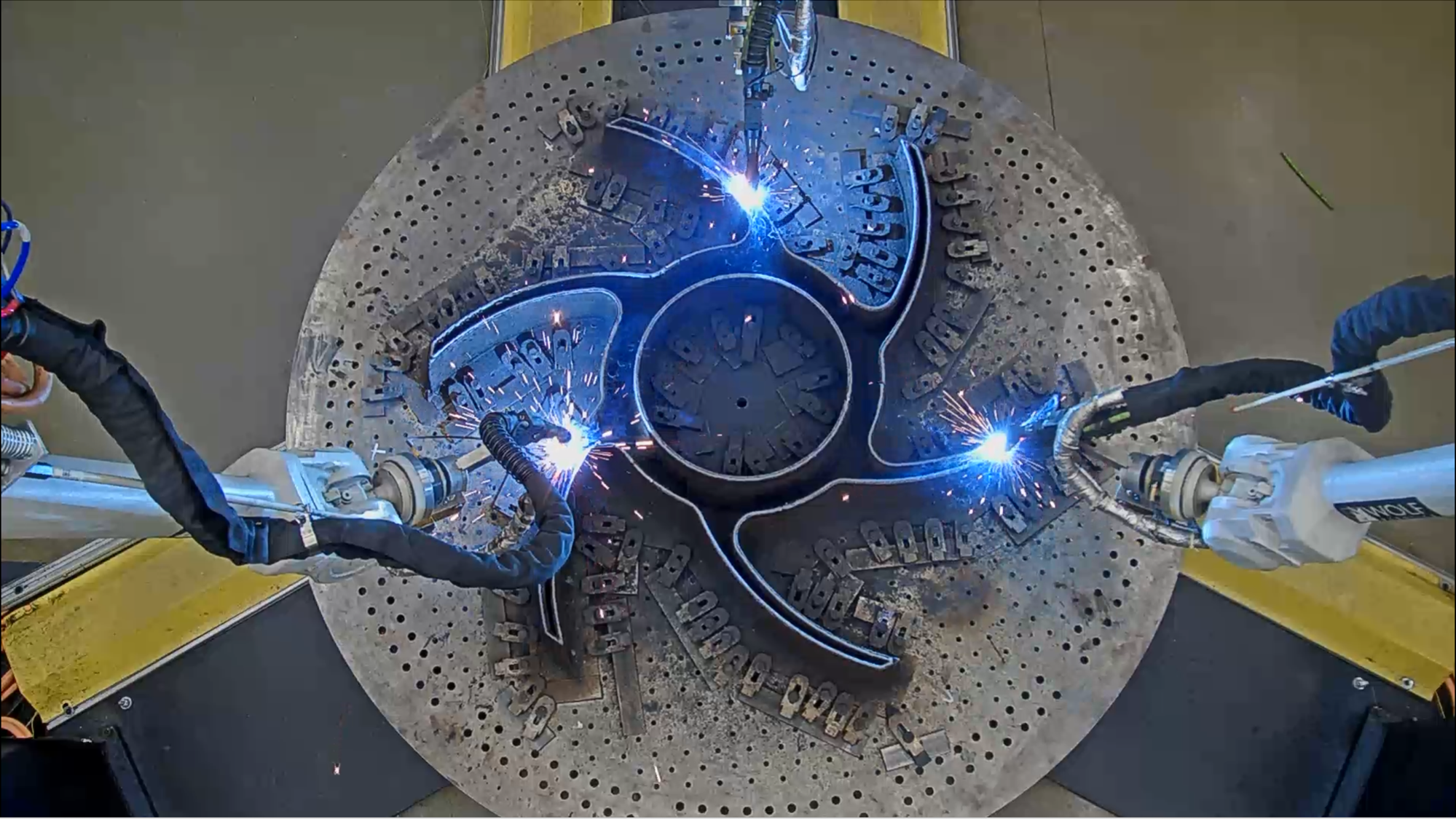
- Advanced materials development and testing: Advanced materials and manufacturing for hydropower components will require new and updated testing and validation procedures to enable innovative designs.
With these barriers in mind, H2O developed two technical assistance programs to support the development of innovative hydropower technologies across the nation and is continuing to investigate ongoing testing gaps to ensure all needs are met and hydropower continues to provide flexible, reliable electricity across the country.
Hydropower Testing Network